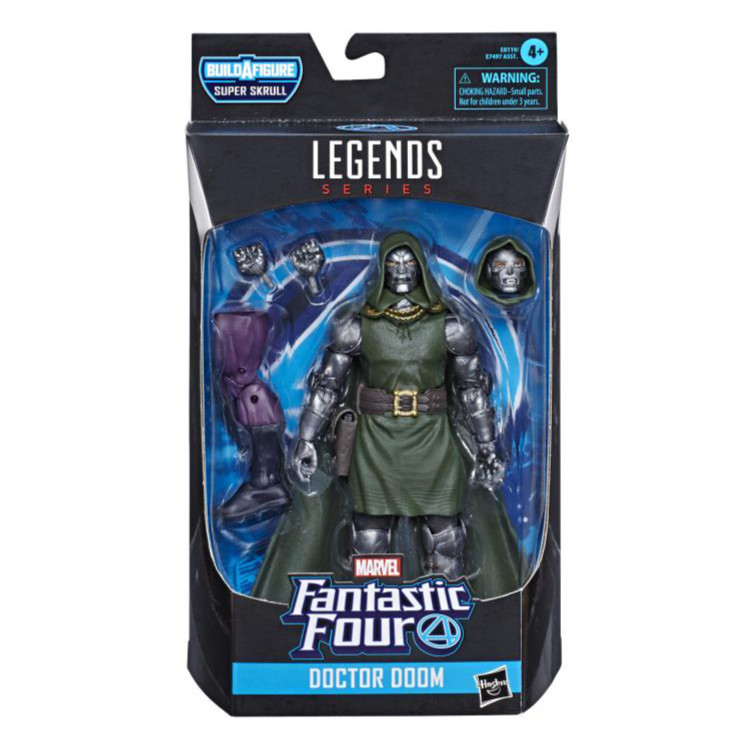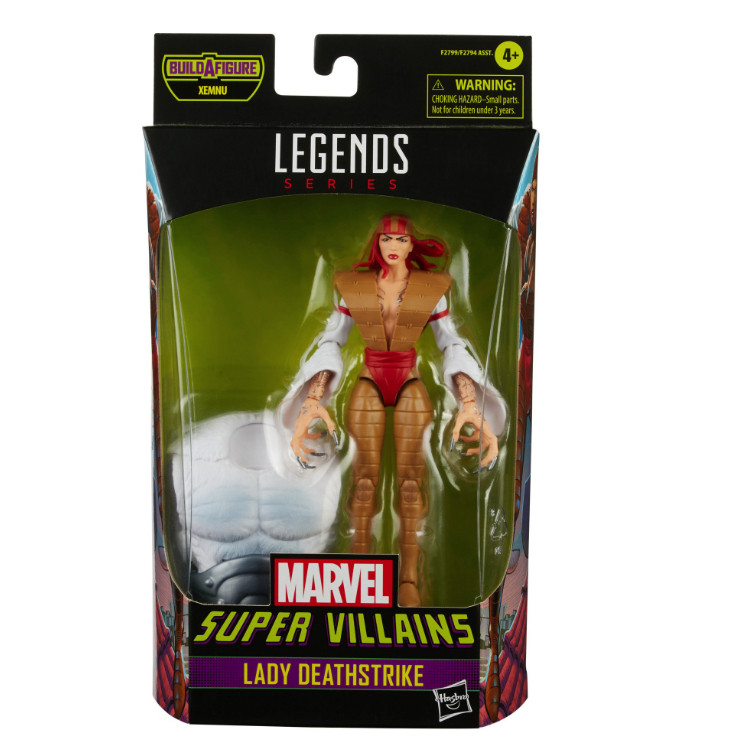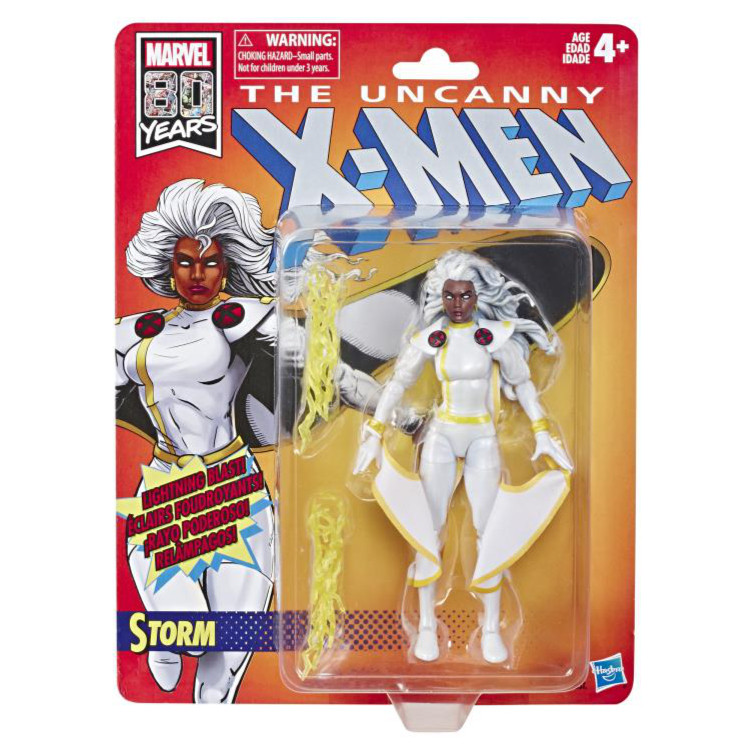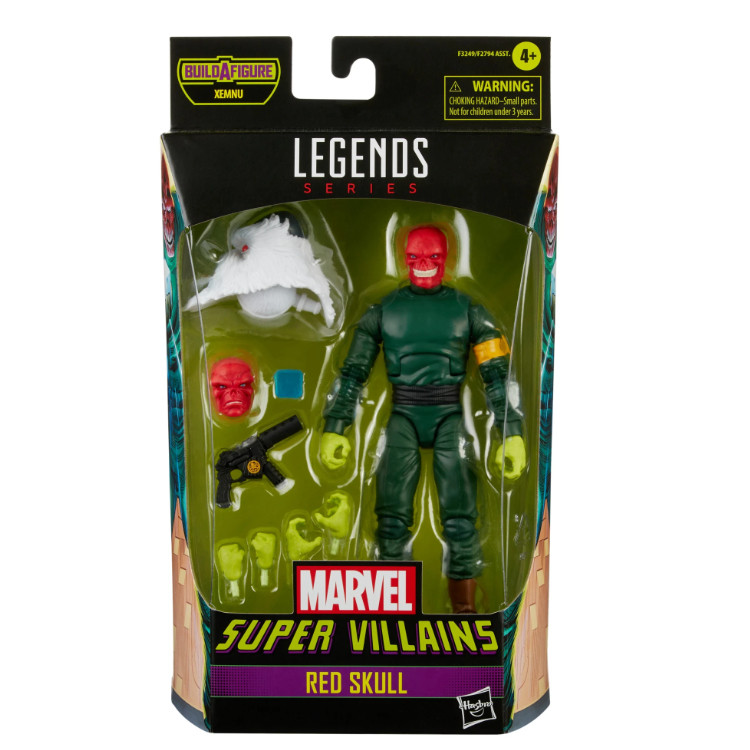
Short answer
Usually, yes. A homeowners or renters policy covers action figures as personal property, against things like fire and theft, up to your limit and after the deductible. The catch is depreciation, caps on collectibles, and the risks the policy leaves out. A rider or a collectibles policy covers those gaps.
Quick disclaimer: this is how home insurance usually works in the US, not insurance advice. Your policy has the final word, so read it and ask your agent.
What a home policy covers
A standard homeowners policy has a section for personal property, usually called Coverage C. That's everything inside your home, and to your insurer your figure collection is the same as your couch or your clothes. Renters policies have the same kind of coverage.
It pays when the damage comes from something the policy names: fire, smoke, theft, vandalism, a burst pipe. It pays up to your personal property limit, minus the deductible.
Four gaps that catch collectors
- Depreciation. A lot of policies pay actual cash value: what the item cost new, minus wear and age. Others pay replacement cost: what it costs to buy new today. Neither one tracks the collector market, where a sold-out figure can go for way more than retail.
- Caps on collectibles. Some policies set a lower limit for certain things, like collectibles, jewelry or cash. Look for a section called special limits of liability.
- What's not covered. Floods and earthquakes usually need their own coverage. Accidents often aren't covered either: the shelf that collapses, the figure you knock off the desk. Same for things that just go missing.
- The deductible. Lose one shelf and the damage might come in under your deductible. And a claim can push your premium up.
Rider or collectibles policy
If your collection is worth more than your policy would pay out, there are two usual fixes.
| Option | How it works | Good for |
|---|---|---|
| Home or renters policy | Covers figures with your other belongings, with the gaps above | Small collections at about retail value |
| Scheduled rider | Adds listed items to your home policy at an agreed value, often with breakage covered | A few high-value pieces |
| Collectibles policy | A separate policy from a specialist insurer, written for collections | Large collections, or collections worth more than retail |
Before you pick, ask your agent:
- Does my policy have a special limit for collectibles?
- Does it pay actual cash value or replacement cost?
- Is accidental breakage covered?
- Above what value do I have to list an item by itself?
- What proof of ownership and value do you need for a claim?
Build the inventory before you need it
After a fire or a break-in, you have to prove what you owned, and nobody remembers every figure on every shelf. An inventory you made before anything happened is the best thing you can hand an adjuster, whatever policy you have.
- List every figure. Name, line, year, boxed or loose.
- Take photos. Every shelf, then close-ups of your best figures and their boxes. A quick video walking through each room helps too.
- Keep the receipts. Drop the order emails in one folder and note what you paid and when.
- Write down today's value. What each figure is worth now, and where the number came from.
- Keep a copy somewhere else. Cloud storage or your email, so it doesn't burn in the same fire.
- Update it. Once a year, and after any big haul.
Legendsverse does most of the listing for you. Tick a figure in the checklist and its name, line, wave and year are already there. Add what you paid, the date, and whether it's boxed. Then download the whole thing from My Collection as a CSV or Excel file, with each figure's market value and where that value comes from. Save it next to your photos and you're done.
How to put a value on the collection
Your insurer wants a number it can check. For most figures, that's what the same figure in the same condition actually sold for recently. Asking prices don't count. Anyone can list a figure for anything.
- Use sold prices. On eBay, filter the search to sold items and compare the same condition.
- Keep sealed and loose apart. They sell for different prices.
- Date every value. Prices move, and a number from three years ago won't convince anyone.
- For prototypes, signed figures and the really rare stuff, your insurer might want a professional appraisal.
Today Legendsverse records new eBay sales for DC Multiverse, Mafex and Marvel Legends. It watches eBay listings by the UPC of each figure. When a listing ends in a confirmed sale of a new figure, that price is recorded. Used, loose and lot sales are left out. When a figure has recorded sales, its market value is the average of its most recent day of sales. A figure with no recorded sale counts at its retail price. Your collection value is the sum of the values of the figures you own, and it is free on every plan.
Questions
Does renters insurance cover action figures?
Usually, yes, the same way a homeowners policy does: as personal property, against the risks it names, up to its limit. The same four gaps apply.
Are figures covered while they are shipped to me?
Until it's in your hands, it's usually the seller's and the carrier's problem. For anything expensive, ask the seller for shipping insurance and signature on delivery.
How much does collectibles insurance cost?
Depends on what the collection is worth, where you live and who you ask. The specialist insurers quote online, so get two or three before you decide.
Do I need a professional appraisal?
For most figures, no. Sold prices and receipts are usually enough. Some insurers want one above a certain value, so ask.
Sources
- Home insurance compared with collectibles insurance for toys: Wheeljack's Lab and Muncle Mike's.
- How collection values are calculated: the Legendsverse FAQ.
About this guide
I'm Alejandro Medina, and I build Legendsverse, a checklist and collection tracker made only for action figures. The catalog numbers on this page come straight from our checklist and update every day. Everything else links to where it came from.